
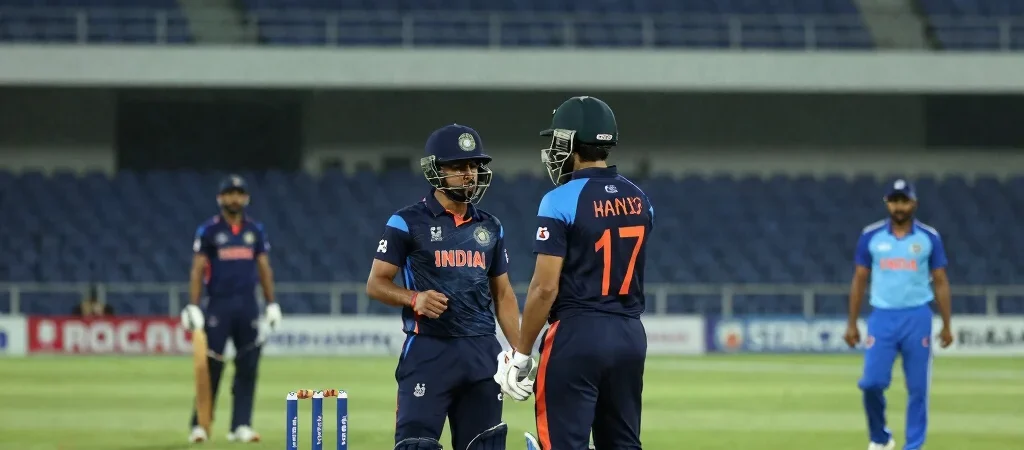
A T20 chase can look comfortable on the scoreboard and still be short on options. The required rate describes the task; the wickets in hand and batters at the crease describe the resources available to meet it. Read those together before deciding whether a side is ahead, behind, or merely one over away from changing the picture.
The rate is not the whole story
A manageable-looking rate can become difficult if a new batter must attack immediately against a bowler who has a favorable matchup. Conversely, a demanding rate may remain within reach when an established batter is set and the batting side has depth available. The same number can describe very different chases.
Pay attention to when the equation starts to press. A quiet over early in the innings leaves more time to recover than the same over near the end, but the cost also depends on wickets lost and the bowling options still to come. Context turns a running total into a story.
Wickets preserve choices
Wickets are not simply a countdown to the end of an innings; they are permission to take calculated risks. With wickets available, batters can target a boundary option or run hard between the wickets without every mistake ending the chase. When several wickets fall, the next batter may have to spend time rebuilding instead of immediately scoring at the required pace.
That is why a partnership can change the feel of a chase even without a burst of boundaries. It can restore a settled batter, reduce the number of new players facing the bowling, and leave later hitters with a clearer task. A useful match story says what the partnership changed, not just how many runs it added.
Follow the next decision
For the key moments, look at the choices each side faced: whether to preserve a wicket, attack a particular bowler, or hold a specialist for later. These decisions are easier to understand when the score, wickets, and overs remaining stay close to the narrative. In T20 cricket, the result often follows a chain of options gained and lost—not one magic over.